Whisky or Whiskey? Let's Settle This Once and For All

"So I poured myself a whiskey last night... or wait, was it whisky?"
Honestly? Both. And no, that's not me dodging the question — it's actually the answer.
Here's the thing nobody tells you upfront: whisky and whiskey are the exact same spirit. Same base idea, same "water of life" origins, same warm-in-your-chest payoff. The spelling difference isn't about quality, proof, or how fancy the bottle looks on your shelf. It all comes down to where the stuff was made.
So where did the "e" come from?
Let's rewind a few centuries. The word itself traces back to Gaelic — most drinks historians trace "whiskey" to an anglicization of the Gaelic word usquebaugh, meaning "water of life." Catchy, right? Early distillers in Ireland and Scotland were essentially saying "give me the good stuff" in their own languages, and English speakers just ran with a rough translation.
But Irish and Scottish Gaelic aren't identical twins — they're more like cousins. The Scottish version became "usquebaugh" while the Irish version became "usquebae," and from there, the English spellings started to drift apart too.
There's also a juicier theory floating around. By the 1800s, Irish whiskey was dominating export markets while a lot of Scottish whisky at the time had a reputation for being lower quality. Some historians think Irish distillers added that "e" on purpose — a little branding flex to set themselves apart from their Scottish neighbors. Petty? Maybe. Effective? Clearly, since we're still talking about it.
And why do Americans spell it with an "e" too?
Good question — Scotland's right there alphabetically next to "no e," but the US sides with Ireland. The leading theory is immigration. Waves of Irish immigrants came to America and brought their distilling knowledge — and their spelling — right along with them. Others say American producers just wanted to ride Irish whiskey's coattails while it was riding high in popularity. Either way, the "e" stuck.
The (mostly) reliable cheat sheet
People used to say: if the country has an "e" in its name, use the "e" — Ireland, the United States. No "e" in the name, skip the "e" — Scotland, Japan, Canada.
Cute trick. It's gotten less useful since more countries started making whisky, like England and France, which don't follow the old pattern. So really, the safest bet is just knowing your countries:
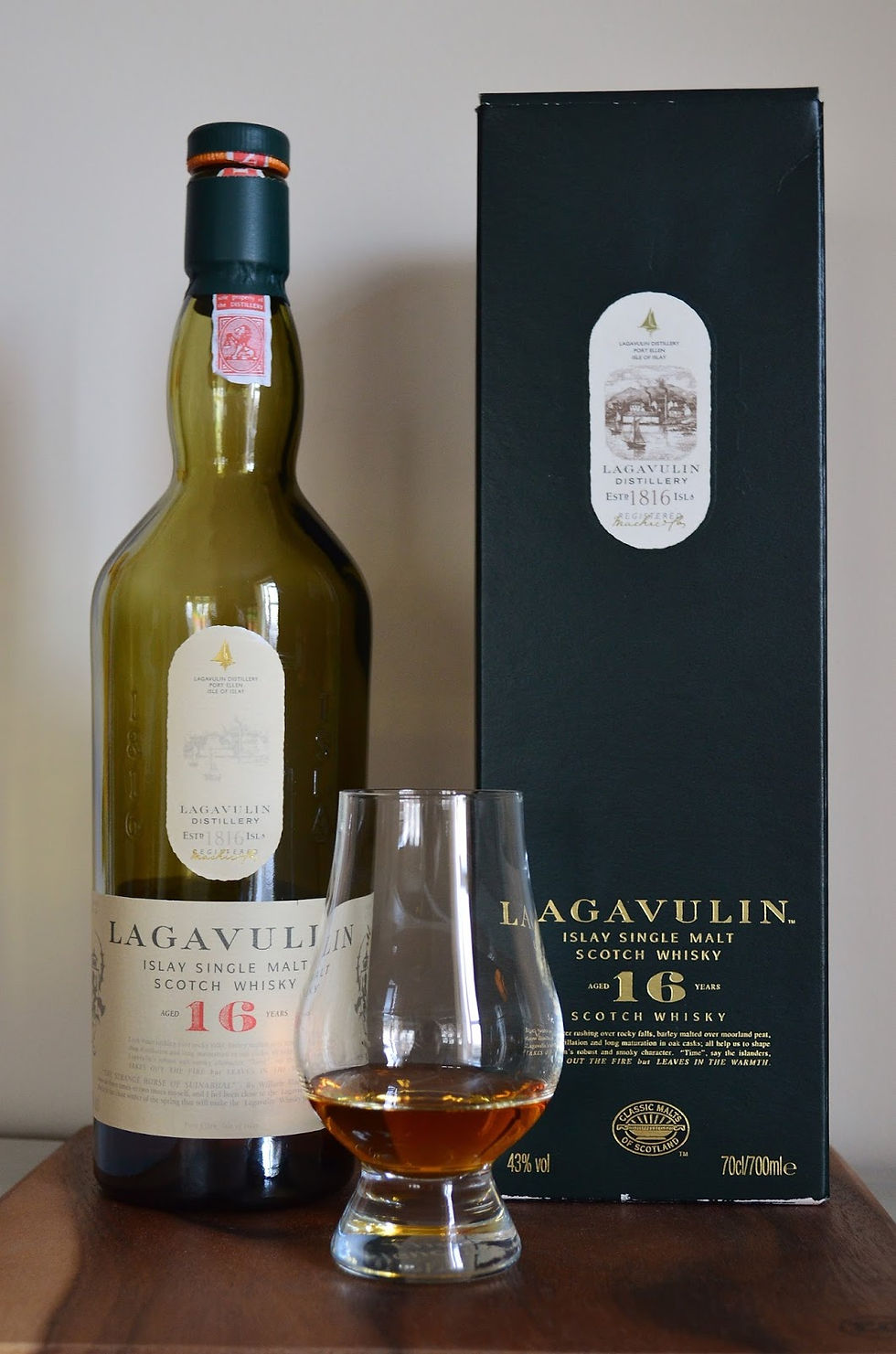
Whisky (no e): Scotland, Canada, Japan
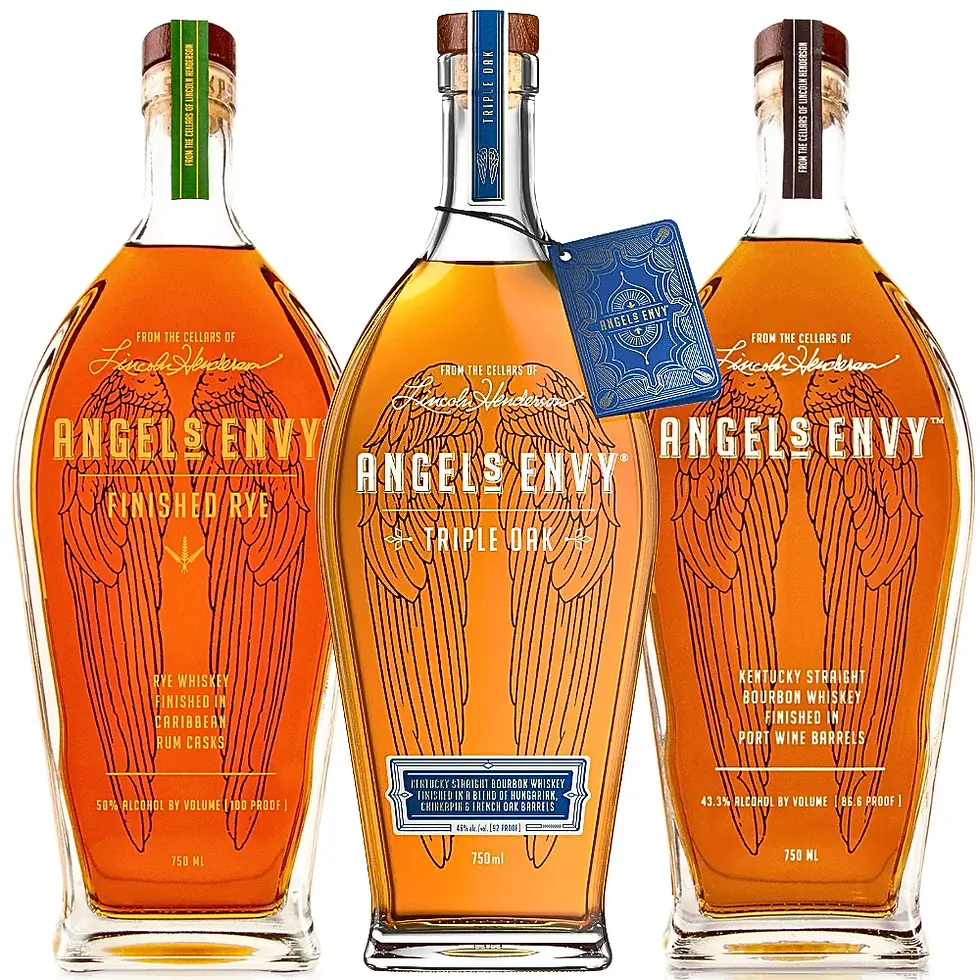
Whiskey (with e): Ireland, United States
Does it actually matter?
Functionally? No — nobody's drink will taste different because of a vowel. But say "Scotch whiskey" in front of the wrong crowd and watch eyebrows rise. It's mostly academic at this point, but it's the kind of detail that still gets people genuinely worked up.
So next time someone corrects your spelling, you've got the receipts. Slàinte — or sláinte, depending on which side of the Irish Sea you're toasting from.

Comments