Scotch vs. Bourbon: What Every Enthusiast Should Know

Whiskey lovers often find themselves at a crossroads when it comes to choosing between Scotch and Bourbon. Both spirits boast rich histories, unique flavors, and dedicated fan bases. But what truly sets them apart? In this post, we will explore the key differences between Scotch and Bourbon, including their production processes, flavor profiles, and cultural significance. Whether you're a seasoned connoisseur or a curious newcomer, this guide will equip you with the knowledge you need to appreciate these two iconic spirits.

Understanding the Basics
What is Scotch?
Scotch is a whisky that must be produced in Scotland and adhere to strict regulations. It is primarily made from malted barley and aged in oak barrels for a minimum of three years. The two main types of Scotch are:
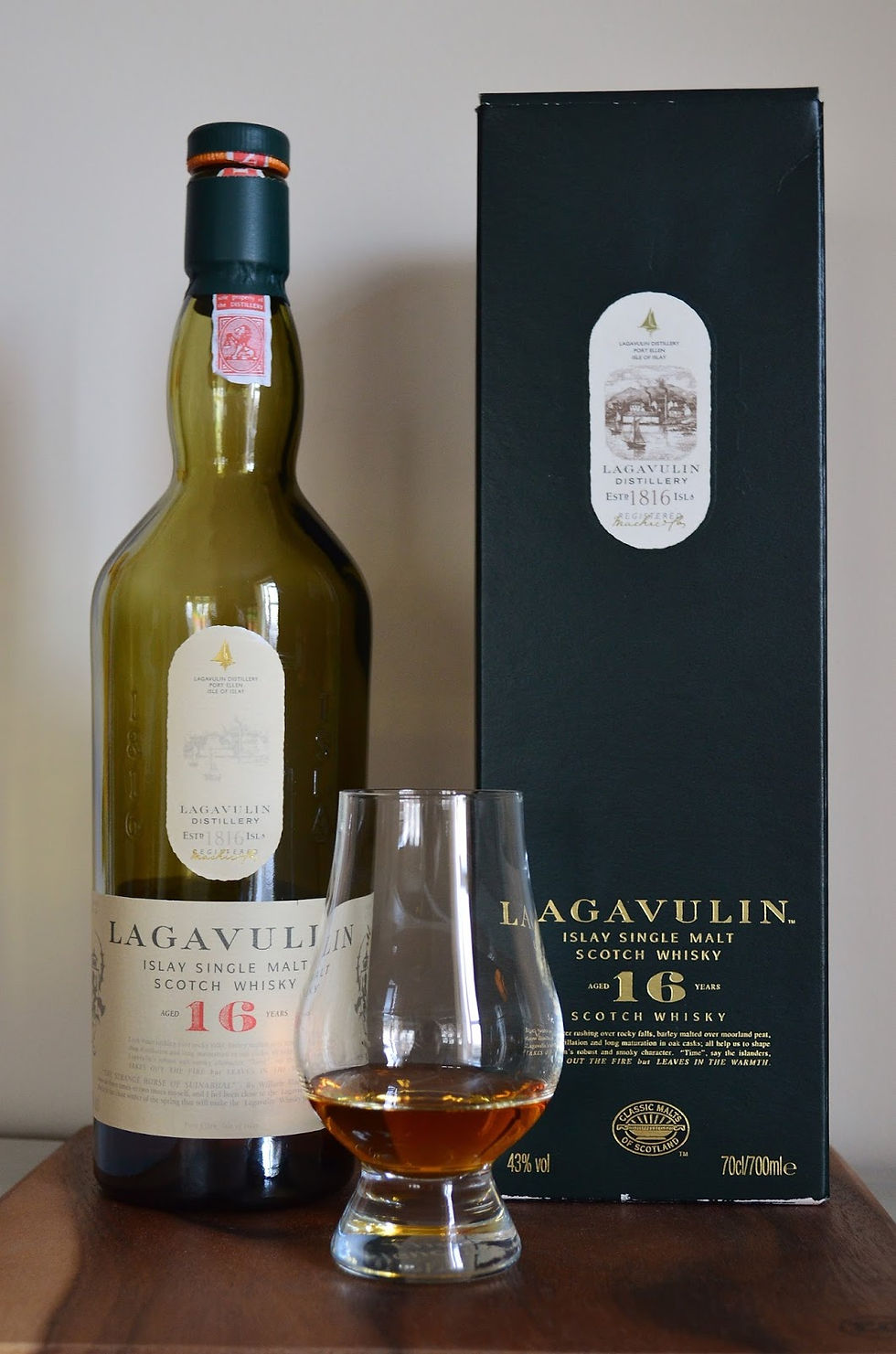
Single Malt Scotch: Made from 100% malted barley at a single distillery.
Blended Scotch: A mix of single malt and grain whiskies from different distilleries.
Scotch is known for its complex flavors, which can range from smoky and peaty to fruity and floral, depending on the region of production.
What is Bourbon?
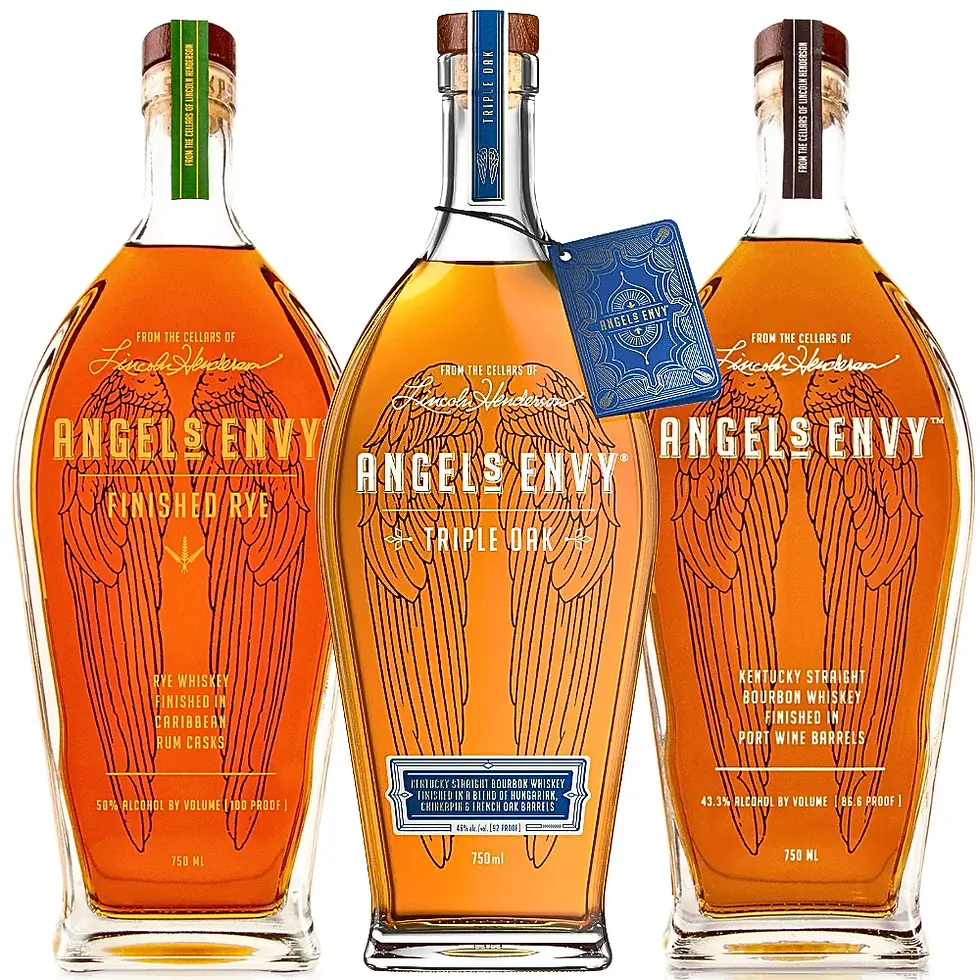
Bourbon is an American whiskey that must be made from at least 51% corn and aged in new charred oak barrels. Unlike Scotch, there are no specific geographical restrictions, but it is most commonly associated with Kentucky. The main types of Bourbon include:
Straight Bourbon: Aged for at least two years and contains no added flavors or colors.
Small Batch Bourbon: Produced in limited quantities, often with a unique flavor profile.
Bourbon tends to have a sweeter, fuller-bodied flavor compared to Scotch, with notes of caramel, vanilla, and oak.
The Production Process
How Scotch is Made
Malting: Barley is soaked in water and allowed to germinate, then dried in a kiln.
Mashing: The dried barley is ground and mixed with hot water to extract sugars.
Fermentation: Yeast is added to the sugary liquid, converting sugars into alcohol.
Distillation: The liquid is distilled twice in pot stills or column stills.
Aging: The whisky is aged in oak barrels for a minimum of three years.
How Bourbon is Made
Milling: Corn and other grains are ground into a coarse powder.
Mashing: The ground grains are mixed with water and heated to convert starches into sugars.
Fermentation: Yeast is added to the mash, fermenting the sugars into alcohol.
Distillation: The liquid is distilled, typically in column stills.
Aging: Bourbon must be aged in new charred oak barrels, with no minimum aging requirement for straight bourbon.
Flavor Profiles
Scotch Flavor Characteristics
Scotch flavors can vary widely based on the region:
Islay: Known for its peaty and smoky flavors, with briny notes.
Highlands: Offers a range of flavors, from floral and fruity to rich and robust.
Speyside: Typically sweeter and fruitier, with notes of apple, pear, and honey.
Lowlands: Generally lighter and more delicate, often with grassy or floral notes.
Bourbon Flavor Characteristics
Bourbon is characterized by its sweetness and richness, often featuring:
Caramel and Vanilla: From the charred oak barrels.
Spice: Due to the rye content in some bourbons.
Fruity Notes: Such as cherry and orange, especially in higher-quality bourbons.
Cultural Significance
The Heritage of Scotch
Scotch whisky has a long-standing tradition in Scotland, with distilleries dating back centuries. It is often enjoyed neat or with a splash of water to enhance its flavors. Scotch is also a key part of Scottish culture, celebrated in festivals and tastings around the world.
The Rise of Bourbon
Bourbon has a rich history in the United States, particularly in Kentucky, where it is often referred to as "America's Native Spirit." Bourbon has gained popularity globally, with many craft distilleries emerging in recent years. It is commonly enjoyed in cocktails, such as the Old Fashioned or Mint Julep, but is also savored neat or on the rocks.
Choosing Between Scotch and Bourbon
When it comes to choosing between Scotch and Bourbon, personal preference plays a significant role. Here are some tips to help you decide:
Flavor Preference: If you enjoy smoky, complex flavors, Scotch may be your go-to. If you prefer sweeter, richer profiles, Bourbon might be more appealing.
Occasion: Consider the setting. Scotch is often seen as a sipping drink for contemplation, while Bourbon is versatile for cocktails and social gatherings.
Exploration: Don't hesitate to try both! Many enthusiasts appreciate the unique qualities of each spirit.
Conclusion
Understanding the differences between Scotch and Bourbon enhances your appreciation for these remarkable spirits. Both have rich histories, distinct production methods, and unique flavor profiles that cater to various tastes. Whether you find yourself reaching for a glass of smoky Islay Scotch or a sweet Kentucky Bourbon, each sip tells a story of tradition and craftsmanship. So, the next time you indulge in a dram, take a moment to savor the journey behind it. Cheers!

Comments